
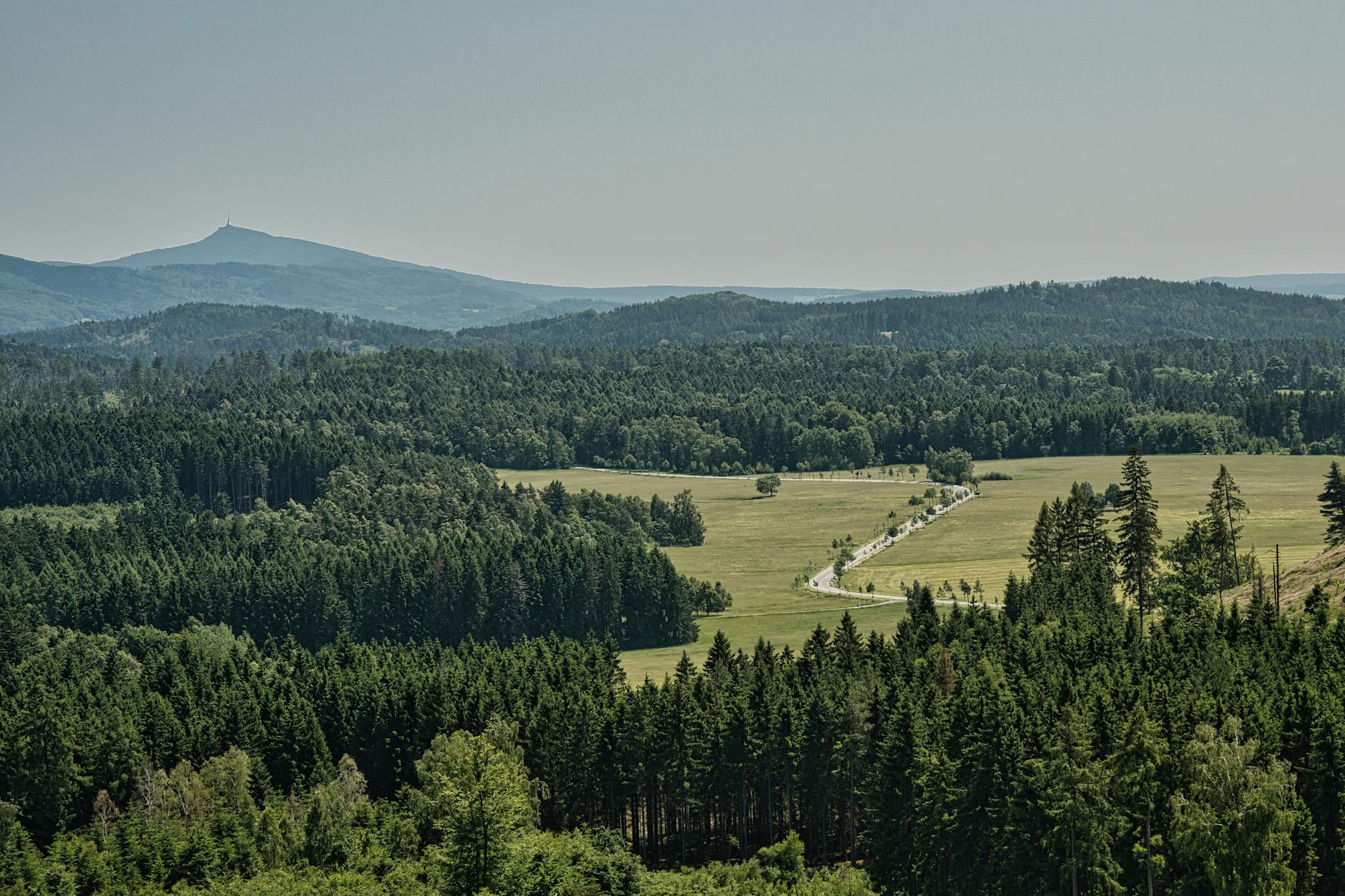
Who’s Afraid Of The German Wolves?
4 min read
Plenty of people are alarmed by the wolf’s return to Germany. Are German wolves actually a threat to human life?
Wolves were persecuted out of most of Europe on the back of folklore as much as livestock losses. As they reestablish themselves, some of that folklore is coming back with them. Give the wolf a bad name and you have your excuse. Germany is where this argument is loudest right now, and the reactions split about as you would expect: some people are delighted, some want every last one shot.
What happened to the original German wolves
Germany’s wolves were hunted out. The last wild ones were killed around the turn of the twentieth century, and for most of the next hundred years any animal that wandered west across the Polish border was shot. That stopped after reunification. The first pack to breed in modern Germany established itself on the Muskau heath in Saxony around the year 2000, on a former military training area, which is a recurring pattern across Europe: wolves come back first to the land nobody farms. The Chernobyl exclusion zone is the extreme case.
The recovery since has been fast. Germany’s federal wolf documentation centre, the DBBW, recorded 219 packs in the 2024 to 2025 monitoring year, along with 43 territorial pairs and 14 territorial individuals, for a total of 276 territories. The DBBW detected at least 1,636 individual wolves that year, and the population has more or less levelled off rather than continuing to climb steeply.
Those numbers matter for this article, because the version of this story most people carry around in their heads is a decade out of date. Germany is no longer a country with a handful of wolves in one corner of Saxony.
What drew them back is prey. Germany has a great deal of arable land and forestry, which supports very large numbers of roe deer and wild boar, and wolves follow the food.
Why the resistance
Some of the complaints are real. Sheep farmers do lose animals, and compensation schemes are slow and contested. Some of them are not. Reporting on the German debate has collected a remarkable list of things wolves have been blamed for, including making the woods unsafe for joggers, causing boar to gather in crop trampling herds, and frightening livestock behind electric fences into infertility.
The clearest example of how the blame works is a crash outside Dresden in December 2013, reported by Earth Touch News in its account of the German wolf debate. Twelve horses bolted from a field onto a road in the dark and were hit by a car and two trucks. Nine horses died and two people were seriously hurt. The horses had escaped and were being rounded up when something spooked them. There were no wolf tracks and nobody saw a wolf. The local hunters’ association announced it was a wolf pack, and that is the version that stuck.
Can people and wolves share a crowded country?
The strongest argument against is population density: Germany is a busy country, and the objection is that there is simply no room for large carnivores. Two hundred and nineteen packs later, the practical answer appears to be that there is.
Historical wolf attacks in Europe were real, and Eurasian wolves have a longer record of them than North American wolves do. But look at the circumstances and a pattern shows up. Attacks cluster where rabies was widespread, where wild prey had been shot out so wolves were living off livestock and refuse, and where children were sent alone into remote country to mind stock. Take those conditions away and the attacks stop, which is what happened across western Europe.
What actually works
Shooting wolves is the intuitive answer and a poor one. Killing breeding animals can fragment a pack into smaller units of inexperienced wolves, which is not obviously an improvement if your problem is sheep.
The non lethal toolkit is unglamorous and locally specific: proper electric fencing, guardian dogs where the flock structure suits them, night penning, and prompt honest compensation so the political pressure comes down. None of it is free and none of it works everywhere, which is why the honest version of this argument is about who pays rather than about whether wolves are evil. In Brandenburg, volunteer wolf officers spend much of their time helping farmers build fences that hold.
One piece of frequently quoted advice is worth flagging. The Canadian biologist Valerius Geist, professor emeritus in the Faculty of Environmental Design at the University of Calgary, argued that wolves become dangerous when they are allowed to test people without consequence, and that the response to a wolf nosing around a settlement should be confident and assertive rather than lethal. Geist was one of the more sceptical voices on wolf safety, which is part of why the point carries weight: he was not arguing from sentiment. He died in 2021.
Wolves are adaptable and largely uninterested in us. Germany’s are proving it in one of the most densely populated countries they have ever recolonised.
Bring wolves home
Love what you read? Browse our wolf merchandise store for gear inspired by these incredible animals:
The wider picture is in Wolf Conservation: Where We Are and What is Working.
Updated 8 October 2026: dated the German population figure to the DBBW 2024 to 2025 monitoring year and corrected the details of the 2013 Dresden crash.


Reunification mattered more than people think. Wolves coming over from Poland were protected once the east came under West German law.
Germany started from almost nothing, so any number looks like a big jump.
Never thought about farming changes helping wolves. More maize, more wild boar, more food for wolves?
That’s what I’ve heard about the boar. Whether it’s what brought the wolves back, I don’t know.