

Spotlight On The 2 Women Managing German Wolves
2 min read
Wolves have come back to Germany on their own, walking in from Poland and the Baltic. The first litter born in the country in modern times was recorded in the Lausitz in Saxony in 2000, and the argument about what to do with them started roughly the same week. Farmers want the right to shoot. Two of the people standing in the middle of that argument are women who have made wolves their working life.
Valeska de Pellegrini, volunteer wolf officer in Brandenburg
Brandenburg has more wolves than most German states and relies on a network of volunteer wolf officers (Wolfsbeauftragte) to deal with what that means in practice. Valeska de Pellegrini is one of them, listed by the state environment agency for the Ostprignitz-Ruppin district, and the job is far more agricultural than it sounds.
Most of the work is with shepherds and farmers: how to build a fence a wolf will not get through, how the compensation scheme works when livestock is killed, what the law does and does not permit.
Fencing does more work than most of the policy debate. A fence only protects a flock while it is live, which is why Brandenburg’s herd protection guidance tells keepers to check their fences every day.
Tatjana Schneider, director of Wolfspark Werner Freund
Wolfspark Werner Freund sits in the Kammerforst near Merzig in Saarland. Werner Freund, the wolf researcher known in Germany as the Wolfsmann, founded it with his wife Erika in 1977 and lived among the packs there for decades.
Tatjana Schneider arrived as a volunteer in 1993 and became Freund’s assistant. He named her his successor during his lifetime, and she took over as director after his death in 2014. She has hand-raised a long line of cubs from wolves of several different origins, and she does what Freund did: feeds them, treats their injuries, and howls with them.
Every wolf is an individual. Each one has its own character.
Tatjana Schneider
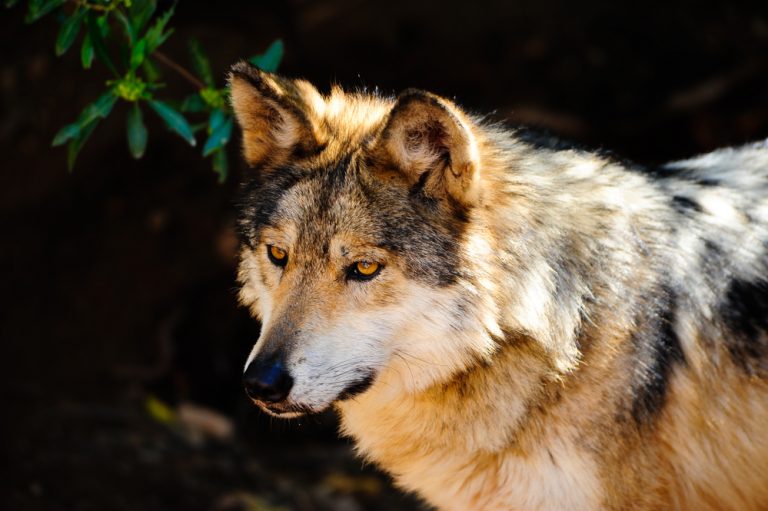
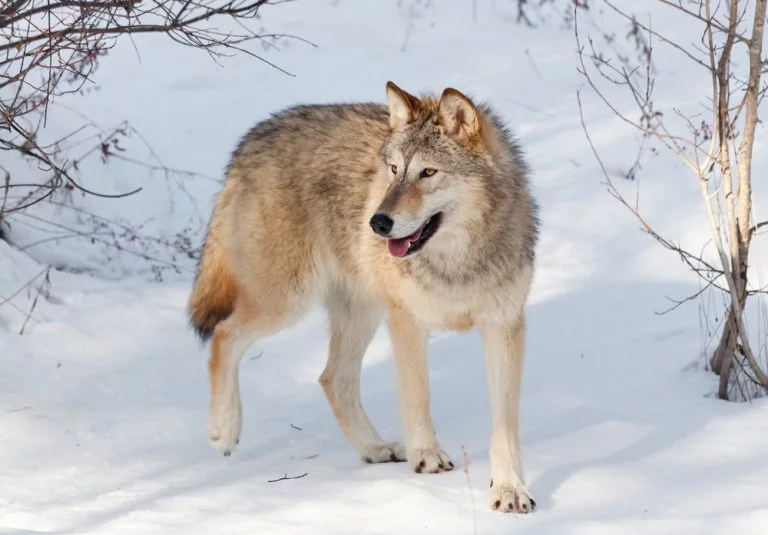
Between them the park has held Canadian timber wolves, Siberian, Mongolian, European and Arctic wolves, which is why the place is useful to anyone trying to understand how much variation sits inside one species.
Why this matters to the shooting argument
The two jobs look unrelated and are not. One is prevention on working farmland, the other is public understanding. Both push against the same reflex, which is to treat a livestock kill as proof that the animal has to go rather than as a question about how it got in.
Germany will keep arguing about wolf numbers and about culling, and the argument will not be settled by sentiment. It will be settled by whether the fences hold.
Read more in our complete guide: Wolf Conservation: Where We Are and What is Working.
Bring wolves home
Our wolf merchandise store has books and clothing.
Updated 8 October 2026: corrected Valeska de Pellegrini’s role to volunteer wolf officer and removed a quote we could not trace to a source.



Interesting that the job is as much talking to farmers as it is biology. Is it set up the same way in the other German states?
Nice to read about the people doing the work for once, not just the wolves.
captive education on one side, wild management on the other. you need both.