
Why Wolves Are Important to the Ecosystem
5 min read
Take the wolves out of a temperate ecosystem and a chain of changes follows that reaches all the way down to the plants and, in one famous case, to the shape of the rivers. That is what “keystone species” means, and the wolf is the textbook terrestrial example.
Part of our guide: Wolf Conservation.
The keystone concept
Robert Paine coined the term in 1969, after removing a predatory starfish from Pacific intertidal rock and watching the community collapse behind it. The point of the word is disproportion: a keystone species matters far more than its numbers suggest. Most species can be lost without restructuring anything. Wolves cannot, because what they do is regulate the animals that eat the plants.
What wolves do directly
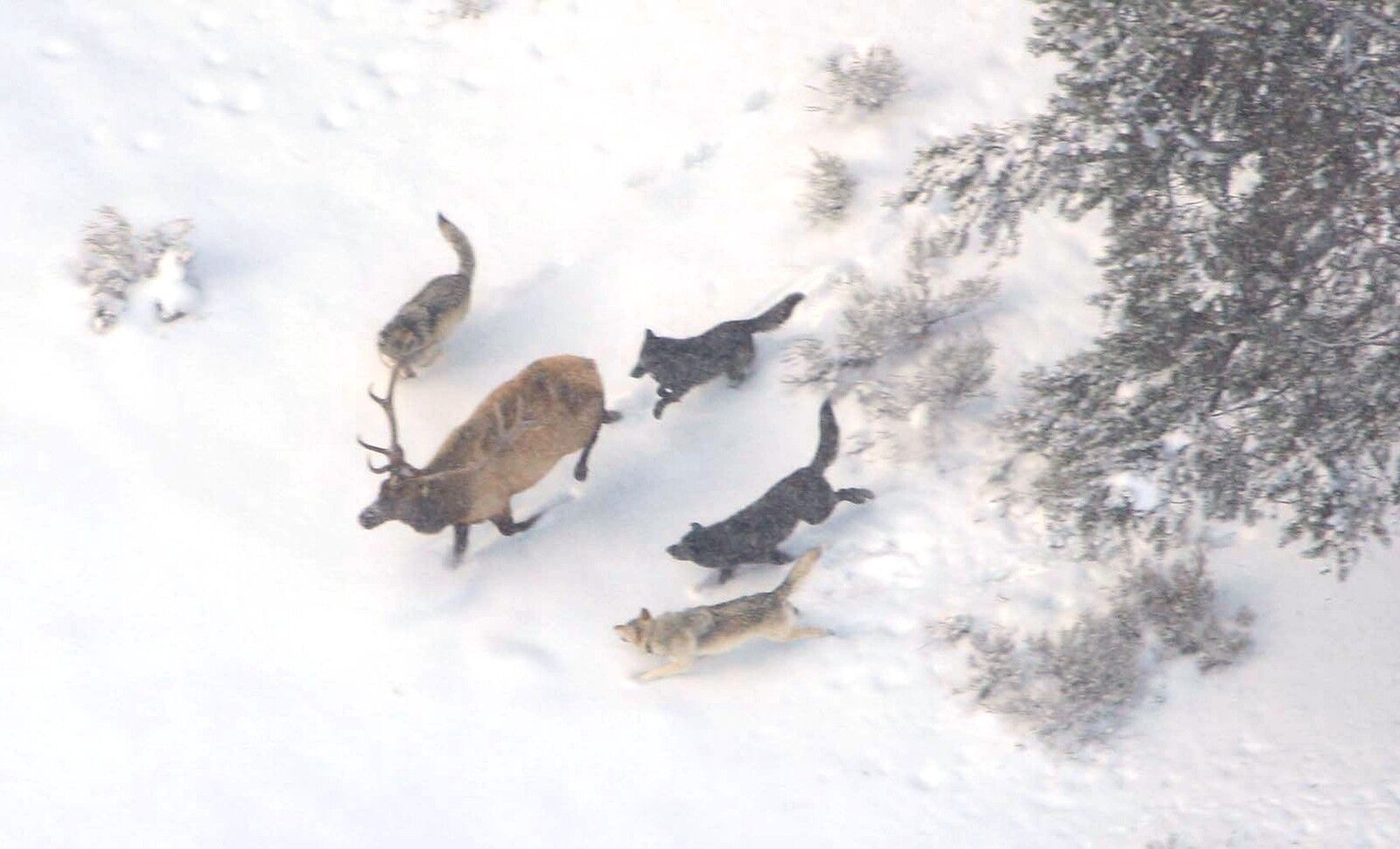
They kill large hoofed animals: elk, deer, moose, caribou, occasionally bison. In Yellowstone the National Park Service puts the rate at 18 to 22 elk per wolf per year, counting all age classes including newborn calves. Direct mortality is the most visible effect and it is not the most important one.
- Predation falls disproportionately on weak, sick and old animals.
- Carcasses feed ravens, eagles, bears, foxes, coyotes and the whole decomposer web.
- Mid-sized carnivores, coyotes especially, are suppressed where wolves are present.
- Sustained predation slows prey population growth in some systems.
The behaviour-mediated cascade
The bigger mechanism is fear. Elk learn which ground is dangerous and stop lingering in it. Open river valleys with no escape terrain become expensive places to graze, so elk shift to slopes and abandon floodplains they previously grazed flat.
Willow and aspen then regrow on the banks. Beavers follow the willow. Beaver dams slow the water, drop sediment, spread wetland and lift the water table. Wolf to river, in a decade or so, without the wolf ever touching the river.
Scavengers
A pack leaves partly eaten carcasses on the landscape repeatedly through the year. Ravens, magpies, bald and golden eagles, black and grizzly bears, coyotes, foxes, wolverines and a long list of beetles all take a share.
The timing matters as much as the volume. Without wolves, carrion arrives in a lump during late-winter starvation. With wolves, it arrives in smaller amounts all year, which is a far more usable food supply for anything that cannot store fat through a bad February.
Ravens at wolf kills
Ravens are usually the first scavengers at a wolf kill and the last to leave. A raven cannot open the hide of an elk or a moose, and a wolf can. In Yellowstone, Stahler, Heinrich and Smith (2002) found that ravens in winter keep company with wolves and follow travelling packs, which puts them at a kill within minutes of the death.
The meat they take is a real cost to the wolves. On Isle Royale, Vucetich, Peterson and Waite (2004) calculated that a wolf feeding with one partner loses more of a moose to ravens than a wolf in a large pack does. They argued that this loss is one reason wolves live and hunt in groups.
Where the story gets oversold
The wolves-changed-the-rivers version is broadly right and routinely overstated. Some of the Yellowstone vegetation recovery tracks changing climate, beaver recolonisation that was under way anyway, and reduced elk hunting outside the park. The northern elk herd fell from 16,791 in the winter of 1995 to 8,335 by 2004, and wolves were one cause among several.
The cascade also looks different from one system to the next. On Isle Royale it shows up in tree rings: balsam fir grew faster in the years when wolves held moose numbers down (McLaren and Peterson, 1994). The keystone idea holds; the specific effects do not transfer.
The viral video and the other drivers
Much of the popular version comes from How Wolves Change Rivers, a short 2014 video narrated by George Monbiot. Each link in its chain is documented somewhere in Yellowstone, and none holds in every drainage: willow and aspen recovery is uneven across the park.
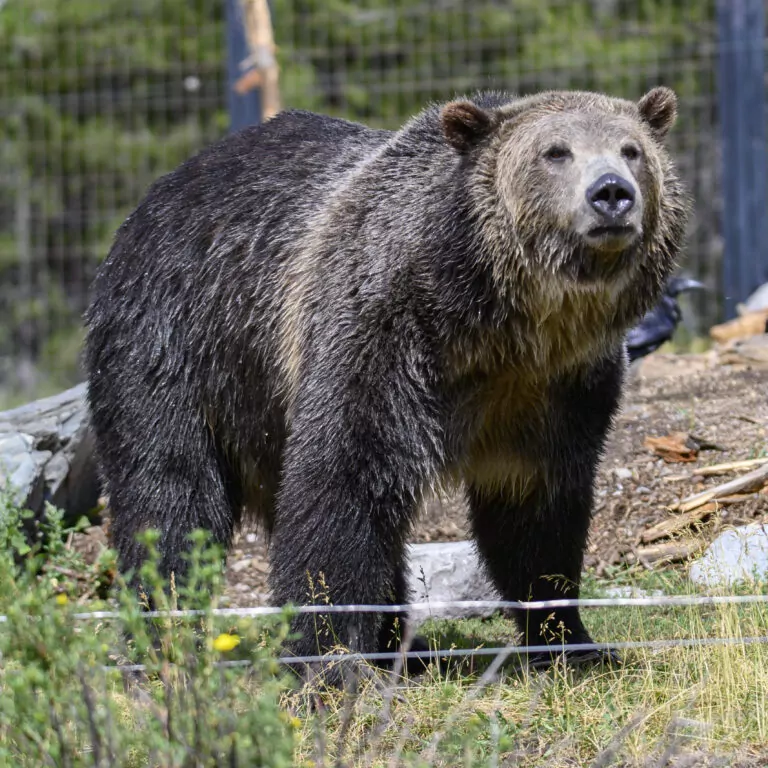
The elk decline had several drivers besides wolves: grizzly and black bear predation on calves, drought, severe winters and hunting outside the park boundary. The Yellowstone reintroduction page covers that history in full.
Beavers are the clearest link to the willow. The first parkwide aerial survey counted 49 beaver colonies in 1996, and the count reached 127 in 2007. The Park Service ties the rise to the return of willow on the northern range, and notes that observers also got better at finding colonies over the same years.
Wolves and deer
Where wolves are established, deer herds usually grow more slowly, and a herd rarely crashes from wolf predation alone. Local crashes tend to follow a hard winter, disease or habitat loss that had already weakened the herd.
Fear has a cost as well. Deer in wolf country use open ground less, feed in shorter bouts and stay close to escape cover. That changes which plants get browsed, and it affects every deer in the herd, including the ones that are never caught.
Hunters in recolonised areas often say wolves have taken their deer. Harvests have fallen in some districts after wolves returned and held steady in others. Part of the change is that deer become harder to find, because they avoid the open ground where they were easiest to hunt.
Related reading
Frequently asked questions
Why are wolves important to the ecosystem?
They regulate the numbers and, more importantly, the behaviour of large grazing animals. That shapes the vegetation, which shapes everything that depends on it. Remove wolves and the chain runs the other way.
What is a trophic cascade?
An effect that a top predator has on plants several levels below it, transmitted through its prey rather than directly. Wolves change where elk feed, willow regrows, beavers return, stream channels change.
Did wolves really change Yellowstone rivers?
Indirectly, and partially. Elk pressure on stream banks dropped, vegetation recovered in places, beavers came back and their dams reshaped channels. The phrase is shorthand for a real chain that did not happen everywhere in the park.
What happens if you remove wolves?
Grazing animals become bolder as well as more numerous, browse harder in places they previously avoided, and strip riparian vegetation. Mid-sized predators increase. Scavengers lose a year-round food supply.
Are wolves the only keystone species?
No. Sea otters, beavers, elephants and salmon all hold that role in their own systems. Wolves are simply the most studied terrestrial case, because of Yellowstone.
Do wolves kill more than they eat?
Sometimes, usually in deep snow when prey cannot get away. It is called surplus killing. The uneaten meat rarely goes to waste: ravens, bears and foxes clear it. Calling it killing for sport misreads what happens next.
Are wolves better than human hunters at controlling deer?
They do a different job. Wolves work all year, take the weakest animals, and change where the herd is willing to stand. Human hunters work a season and often select the largest healthy animals. Both reduce numbers; only one restructures the landscape.
Updated 8 October 2026: updated the Yellowstone kill rate to the National Park Service figure and corrected the Isle Royale example; merged our posts on Yellowstone’s rivers, elk, deer and ravens into this guide.


Ravens did well out of the wolves coming back. Leftovers all year round!
I work near forestry and the willow question gets argued about a lot. Wolves helped, but beavers and weather played a part too.
Isle Royale is a good reminder that not every system gives you a neat trophic cascade.
agreed, it’s messy. different valleys in yellowstone seem to tell different stories.
Funny that the whole keystone species idea started with a starfish in a tide pool.
wolves changed how elk behaved, and that changed the plants, and so on. the short version skips a lot of steps.