
The End Of The Yellowstone Druid Wolf Pack
2 min read
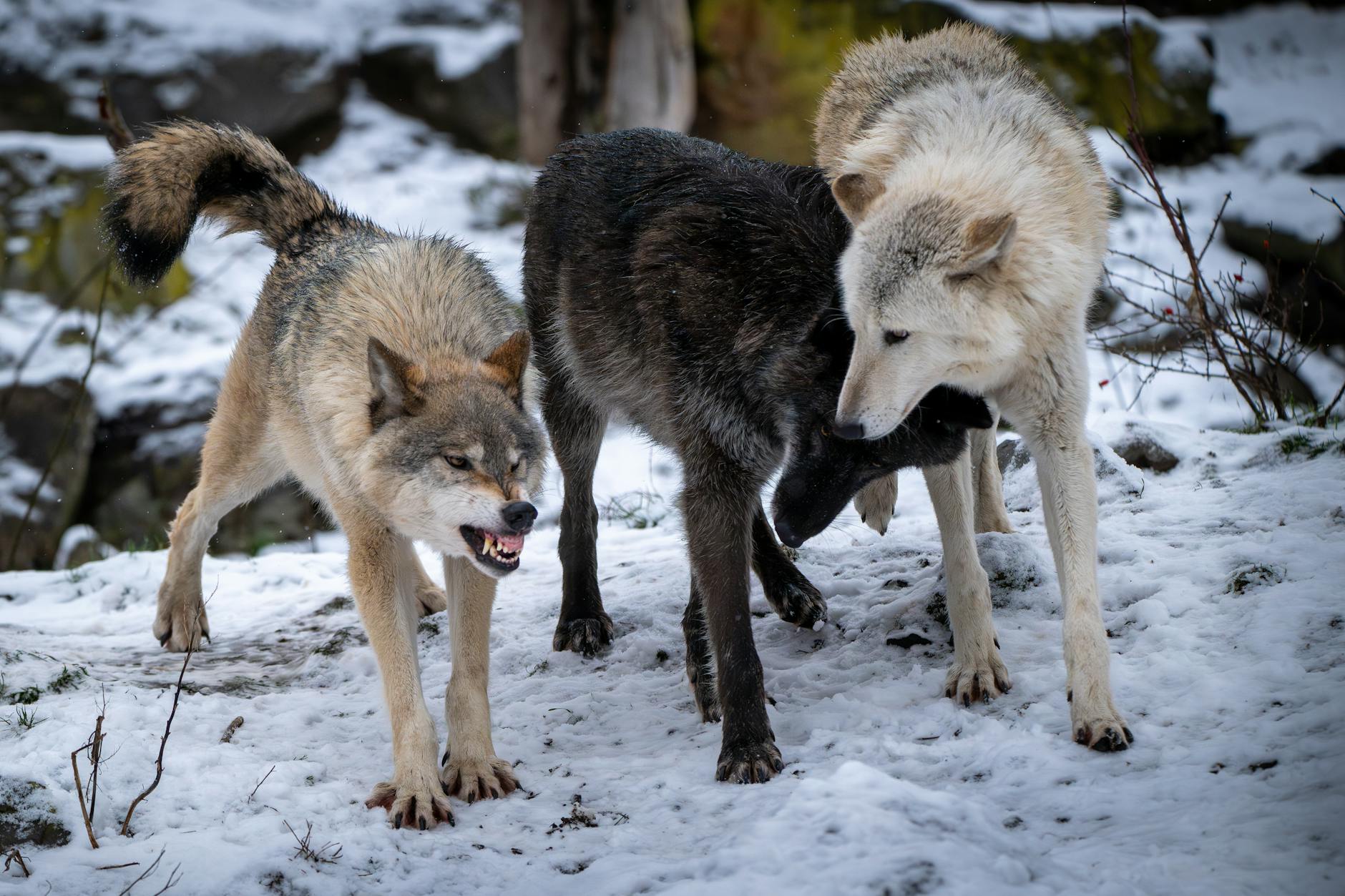
Photo by Leon Aschemann on Pexels
The Druid Peak pack is the most watched group of wild wolves there has ever been. It is also the one where the popular account and the documented record have drifted furthest apart, so this piece has been cut back to what we can actually stand behind.
Where the pack came from
Wolves were wiped out of Yellowstone under federal predator control during the first decades of the twentieth century, with the last of them killed in 1926. Reintroduction began in 1995 with wolves captured in Canada.
Druid Peak was one of four acclimation pens used in the second year of releases. Seventeen more wolves arrived from Canada in January 1996 and were let out that April from the Chief Joseph, Lone Star, Druid Peak and Nez Perce pens. The animals released from the Druid Peak pen became the pack that carried the name.
Why this pack and not another
Geography, mostly. The Druids settled in and around the Lamar Valley, which has a road running through it and long open sightlines. A pack that dens somewhere roadless is studied. A pack that dens where you can pull over and set up a spotting scope becomes public property. Wolf watchers turned up daily, year after year, and individual wolves acquired reputations.
Two of those animals, wolves 21 and 42, are now well enough known outside wolf biology to have carried whole podcast episodes on their own. That is an unusual thing for a wild animal identified only by a number.
What the Druids showed
The first Druid wolves were five animals captured in British Columbia and released in the Lamar Valley in April 1996. In 2001 the pack reached 37 wolves, the largest pack recorded in Yellowstone. It could not hold together at that size: in 2002 it split, former Druid females anchored three new packs (Agate Creek, Geode Creek and Slough Creek), and the Druids ended the year with 11 members.
Wolf 21, the breeding male, was known among watchers for sparing beaten rivals. Rick McIntyre, who watched him for years, records that he pinned defeated males and then let them go. He left the pack in June 2004, at about nine years old, and his remains were found that July.
Disease and rivals ended the pack. In the winter of 2009 to 2010 the breeding female was killed by another pack, sarcoptic mange spread through the remaining wolves, and by March 2010 the Druid Peak pack was down to a single female.
What came after
The Druids are gone, and the Lamar Valley did not stay empty. The Lamar Canyon pack took over much of the same ground, and its breeding female, known to watchers as O-Six, became the next wolf the public followed closely. She was shot by a hunter outside the park boundary, which put Yellowstone wolf management on front pages well beyond Wyoming. She and Wolf 21 both appear in our list of the most famous wolves in history.
The park’s wolf population is a good deal smaller now than it was when the Druids were at their peak. At the end of 2025 Yellowstone held 84 wolves, according to the National Park Service.
Read more on our complete guide: Wolf Behavior: How Wolves Live, Hunt and Communicate.
Updated 8 October 2026: updated the Yellowstone wolf count to the end of 2025 and removed wolf 8, who belonged to the Rose Creek pack; merged our post on what the Druid Peak pack taught us into this article.


Amazing, just amazing.
mange is what finished the druids in the end, if i remember right. no dramatic ending, they just faded out.
Sad way for such a famous pack to go.
21 must be one of the most watched wild wolves there has ever been.
I went to Lamar Valley years after the Druids were gone and people there still talked about them like old neighbours.
The 40F and 42F story still gets me. People used to talk about the Druids like a soap opera.