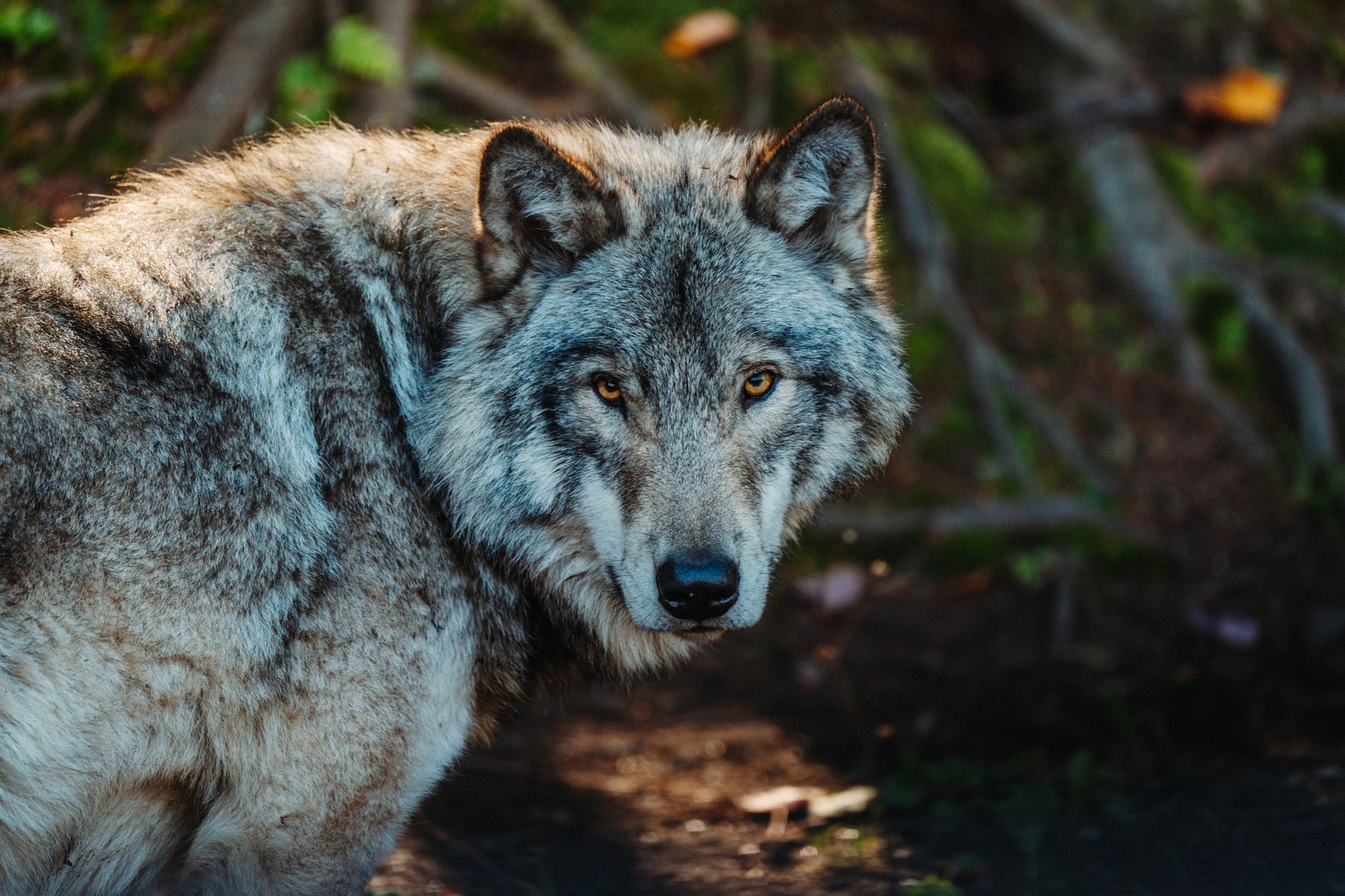
Wolves vs Lions: Comparison of Two Apex Predators
4 min read
A male lion weighs 190 kg; a wolf weighs 60 kg. In any one-on-one fight the lion wins. But wolves form typical packs of 4 to 10, hunt cooperatively over long distances, and have superior endurance. Today the two share range only in western India. Lions and wolves are both apex predators in their ecosystems. A lion at 190 kg is three times a wolf’s weight and has stronger jaws. Wolves win on pack size, endurance, and cooperative hunting. The two occupy similar ecological roles in their own ecosystems.
Part of our guide: Wolf Behavior.
Size and physical comparison
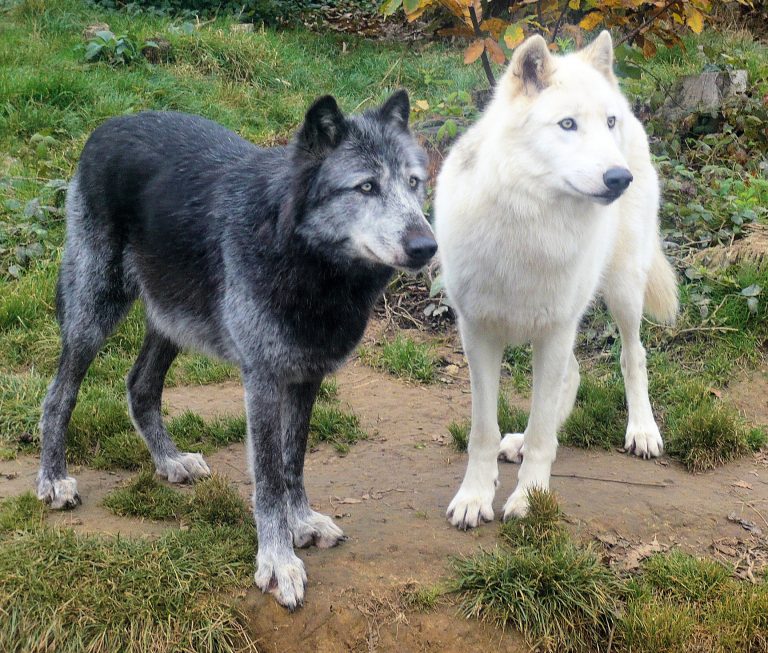
Male African lions weigh 150 to 250 kg (average 190). Male Bengal tigers (sometimes confused with lions in wolf comparisons) weigh 180 to 260 kg. Male gray wolves weigh 40 to 60 kg, with the largest reaching 80. The lion is roughly three times the wolf’s weight.
Lions have bigger jaws, larger teeth and a stronger bite, and they kill with a grip-and-suffocate hold. Body design differs: lions are built for short power; wolves are built for long endurance.
Hunting style
Lions hunt in prides of related females, usually 3 to 6 hunters per attempt. They use ambush and short bursts of speed (up to 80 km/h for 100 m). Most lion hunts succeed only 20 to 30 percent of the time. Pride structure means females do most of the hunting; males defend territory and offspring.
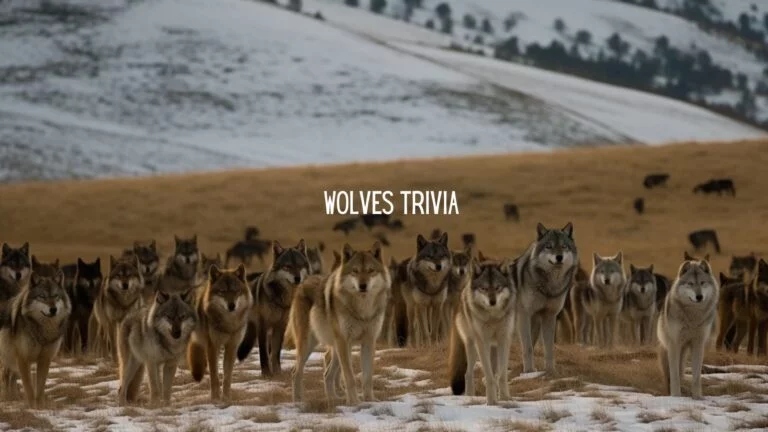
Wolves hunt in family packs of 4 to 10 over long distances. They track prey for hours, test for weakness, and use pack coordination rather than ambush. Wolf hunts also succeed only 10 to 20 percent of the time but cover much larger areas. Wolves chase; lions sprint and pounce.
Pack vs pride dynamics
Both species are social. Lion prides average 10 to 15 individuals (mostly related females, their cubs, and 1 to 4 adult males). Wolf packs average 4 to 10. Both have cooperative breeding (helpers from previous litters assist with current young) and both defend territory against rival groups.
The difference: lion prides are matrilineal (males are temporary residents who get displaced every few years); wolf packs are paired (the breeding pair stays together for years). Lion pride wars often involve infanticide by incoming males. Fights between wolf packs can kill pups too, and in Yellowstone wolves killed by other wolves are the main natural cause of wolf deaths.
Ecological role
Both species are keystone predators in their ecosystems. Lions in African savannas control wildebeest, zebra, and buffalo populations. Wolves in temperate forests and tundra control elk, deer, moose, and caribou populations. Both produce trophic cascades (effects ripple down to vegetation and stream morphology).
Lions and wolves did share ground, and in one place still do. Asiatic lions once ranged across the Middle East, Iran and India, all wolf country, and both still live in Gujarat’s Saurashtra region in western India. Gray wolves never reached sub-Saharan Africa, where most lions live; the Ethiopian wolf, a separate species, lives only in the Ethiopian highlands.
Status and conservation
Lions are Vulnerable (IUCN Red List) with about 23,000 wild African lions in the IUCN’s 2023 assessment. The population is declining due to habitat loss and human-lion conflict. The Asiatic lion is Endangered; Gujarat’s 2025 census counted 891, more than half of them outside the Gir protected area.
Gray wolves are Least Concern globally, with roughly 200,000 to 250,000 worldwide, a rough estimate. Recovery in Europe and parts of North America has been strong. Both species face the same fundamental challenge: large carnivores that need large territories in increasingly fragmented landscapes.
Related reading
For wolf fans browsing for something to take home, see the We Love Wolves store.
Frequently asked questions
Who would win in a fight, a wolf or a lion?
A male lion is three times a wolf’s weight, has stronger jaws, and would win any one-on-one fight. But wolves hunt in packs of 4 to 10, and a wolf pack could potentially overwhelm a lone lion. In practice the two now share range only in western India.
Are wolves stronger than lions?
No. Lions are bigger and have stronger overall physical capacity. Wolves win on endurance and pack coordination but lose on individual size and strength.
Do wolves and lions ever meet?
Rarely. Asiatic lions and Indian wolves both live in Gujarat’s Saurashtra region in western India, and their ranges once overlapped across the Middle East and Iran. Gray wolves never lived in sub-Saharan Africa, where most lions are.
Which is faster, a wolf or a lion?
Lions are faster over short sprints (80 km/h for 100 m). Wolves cruise at 6 to 8 km/h for hours and sprint at 56 to 60 km/h. Wolves win on long-distance speed; lions win on short bursts.
Are lions and wolves related?
Distantly. They are both Carnivora but on different branches: lions are Felidae (cats), wolves are Canidae (dogs). The two families diverged around 50 million years ago. They share much less DNA than wolves and dogs do.
How big is a lion’s pack vs a wolf’s pack?
Lion prides average 10 to 15 individuals (mostly related females plus 1 to 4 males). Wolf packs average 4 to 10 (mostly a breeding pair plus offspring). Lion prides are larger on average.
Who hunts better, lions or wolves?
Different strategies, similar success rates. Lions ambush and use short bursts; wolves chase and use pack coordination. Both succeed roughly 10 to 30 percent of attempts. Wolves catch over longer distances; lions kill closer to home.
Are wolves or lions more endangered?
Lions are more endangered. Lions are listed Vulnerable (around 23,000 left) and African populations are declining. Gray wolves are Least Concern globally (roughly 200,000 to 250,000, a rough estimate) with most populations stable or growing.
Updated 8 October 2026: corrected the claim that lions and wolves never share range, removed a garbled bite force comparison, corrected the global wolf estimate and updated the Asiatic lion count to the 2025 census.