
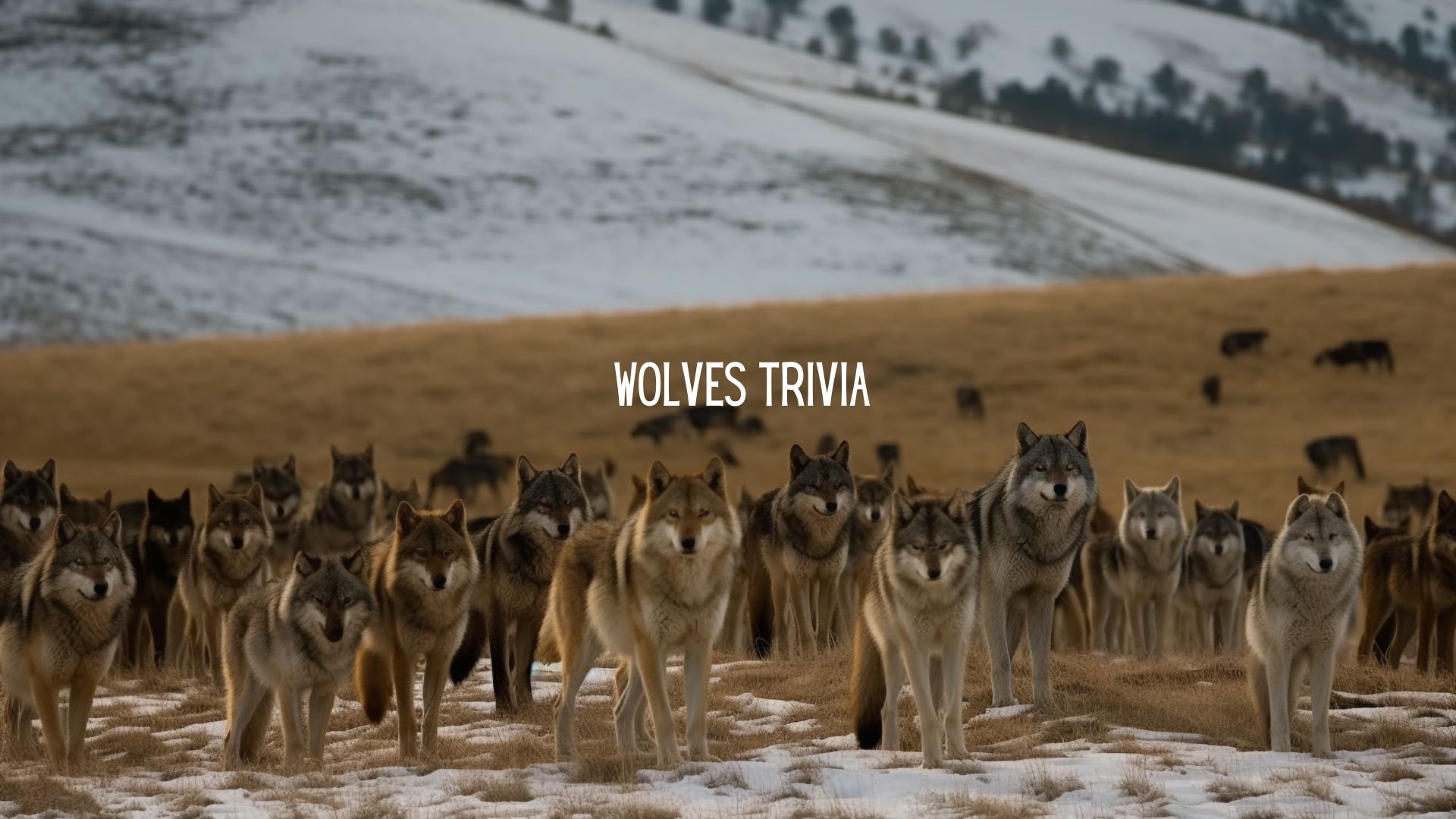
Wolves Trivia
3 min read
This is the trivia hub for welovewolves.org: a short tour of the world’s wolves, a set of facts we can stand behind, and links out to six quizzes, each built around one kind of wolf. Wolves are among the most studied large predators on Earth, and the more you know about them the wider the gap gets between the fairy-tale animal and the real one.
The world’s wolves at a glance
Gray wolf, Canis lupus
The most widespread wolf and the one most quizzes mean. It ranges across North America and Eurasia and its coat runs from pure white through red and brown to almost black. The Arctic wolf, the Northwestern wolf, the Eurasian wolf, the Indian wolf and the Alexander Archipelago wolf are all regional forms of this one species.
Red wolf, Canis rufus
Once found across the southeastern United States and now one of the most endangered canids on Earth. The only wild population lives in northeastern North Carolina. The US Fish and Wildlife Service counted about two dozen known wild red wolves in 2026, up from a low of 7 in 2020 to 2021, and about 295 more live in the captive breeding programme. Those numbers are so small that a single bad year of road mortality is visible in the total.
Ethiopian wolf, Canis simensis
Africa’s most endangered carnivore, a slender, long-legged rodent specialist of the Ethiopian highlands. The latest estimate, from fieldwork in 2020 to 2021 published in 2024, is about 454 adults in 99 packs, split across six isolated highland populations, the largest in the Bale Mountains. The IUCN lists it as Endangered.
Arctic wolf, Canis lupus arctos
A gray wolf subspecies of the far north of Canada and Greenland. The thick white double coat, shorter ears and compact build are all heat-retention adaptations for a place where winter temperatures sit far below freezing for months. We have a full Arctic wolf quiz if you want to test this one properly.
Facts worth knowing before you play
- They live in families, not gangs. A pack is usually a breeding pair and their offspring of assorted ages. Researchers have largely dropped the alpha framing, because in the wild the leaders are simply the parents.
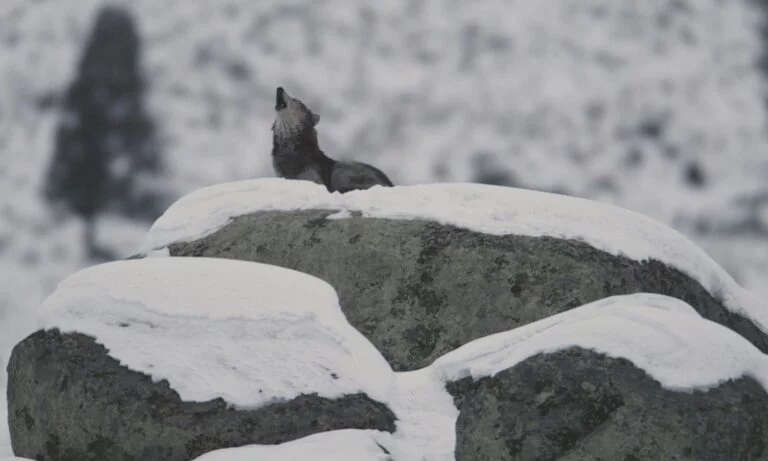
- They communicate constantly, using howls, barks, whimpers and growls alongside posture, facial expression and scent marking. A howl can carry for miles and helps a scattered family regroup.
- They are endurance animals. A wolf can cover up to 30 miles in a day looking for food, trotting steadily for hours.
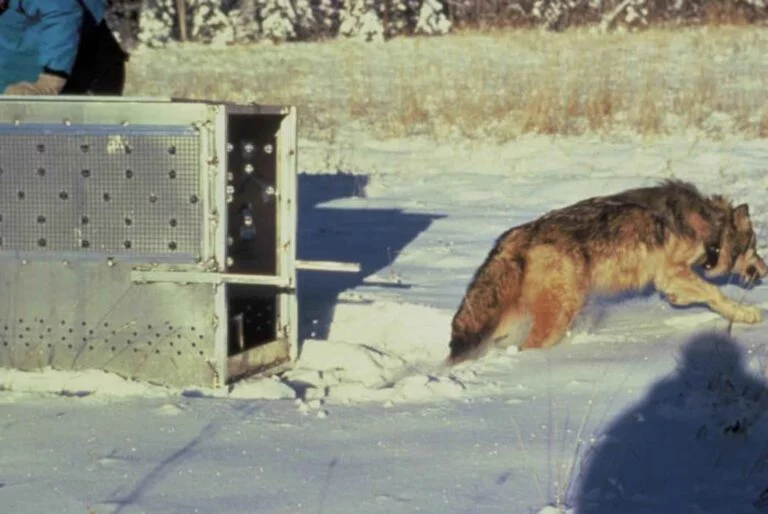
- They shape whole ecosystems. Yellowstone is the standard example, where the return of wolves in 1995 changed where elk grazed and let streamside vegetation recover.
Quick wolf trivia
- Every howl is individual. Each wolf has a recognisable voice, and they howl to reassemble the pack, hold a territory and stay in contact across distance.
- Their jaws crush bone. Published bite force estimates vary a lot with method, commonly landing somewhere in the range of 400 to 700 pounds per square inch at the canines, with higher upper bounds quoted elsewhere. Either way it is enough to open a femur for the marrow.
- They are quick over a chase, in the region of 35 to 40 miles per hour, but they win on stamina rather than speed.
- Pack size varies hugely. Six to ten is typical, and packs of thirty or more have been recorded where prey is abundant.
Take a quiz
Pick a subspecies and take its full quiz. Each game keeps questions and answers together so you learn as you play. For a general round on pack life, diet and breeding, start with our wolf trivia quiz.
- Alexander Archipelago Wolf Trivia
- Eastern Wolf Trivia Game
- Arctic Wolf Trivia Game
- Northwestern Wolf Trivia
- Eurasian Wolf Trivia
- Indian Wolf Trivia
Why wolf trivia is worth taking seriously
Quizzes are fun, and they also do quiet work. Centuries of folklore turned the wolf into a monster, and that reputation is what made the bounty campaigns politically easy. Every accurate fact chips at it: that packs are families, that attacks on people are rare, that wolves keep ecosystems working. Pick a quiz above, or read our gray wolf species profile first if you want an unfair advantage.
Bring wolves home
Browse our wolf merchandise store for gear inspired by these animals.
Updated 8 October 2026: updated the red wolf counts to the 2026 US Fish and Wildlife Service figures and the Ethiopian wolf estimate to the latest survey.




timber wolf and gray wolf being the same animal still confuses people. i get asked all the time.
I read that farmers in Ethiopia mostly tolerate these wolves because they rarely touch livestock. Lucky for the wolves.
The red wolf numbers change every year. Worth checking the latest count.
worth adding the african golden wolf. it was only recognised as a wolf in 2015.
Most of my older field guides still call it a golden jackal.