We Love Wolves
Wolf species profiles, behaviour, conservation, and the people working to keep them wild. From Yellowstone packs to the Ethiopian wolf, one site that loves them all.
Photo: U.S. Fish and Wildlife Service, public domain.
-
Japan’s red-eyed robot wolf, made by Ohta Seiki in Hokkaido, is selling faster than it can be built after the country’s worst year on record for bear attacks. How it works, and why a scarecrow is not a solution.
-
Washington and Oregon were recolonised by wolves that walked in. The 2025 counts, where the packs actually are, and how far west they have reached.
-
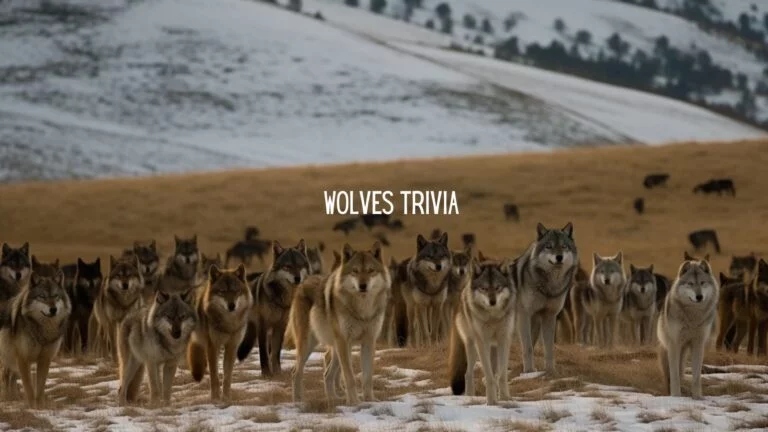
The trivia hub for welovewolves.org: the world’s wolves at a glance, facts we can stand behind, and links to six wolf quizzes.
-
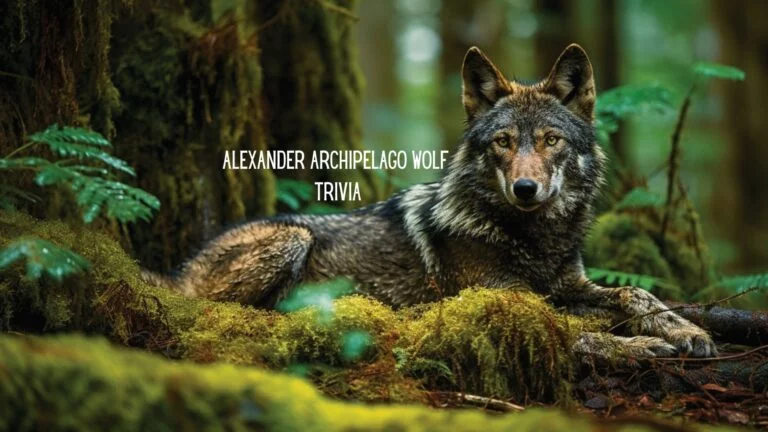
The rainforest wolf of southeastern Alaska: size, salmon in the diet, the Prince of Wales Island decline, the failed listing petitions, and a ten-question quiz.
-
The eastern wolf is smaller than a gray, bigger than a coyote, with contested taxonomy and a stronghold in Algonquin Park. Twelve quiz questions.
-
The Mackenzie Valley wolf is the largest gray wolf alive and the stock behind the Yellowstone reintroduction. A field guide to the subspecies, then twelve questions to test it on.
-
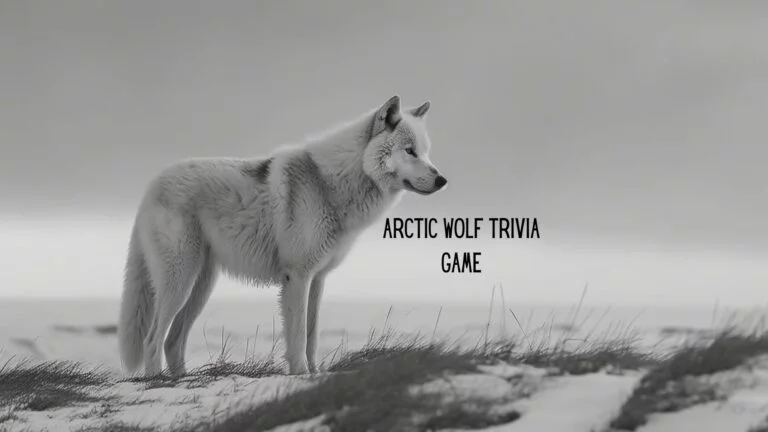
A profile of the Arctic wolf, the gray wolf pushed as far north as the species goes, followed by a ten question quiz with answers.
-
The nominate gray wolf subspecies, from western Europe to the Russian Far East. A field guide to Canis lupus lupus, then ten questions to see how much of it stuck.
-
The Indian wolf sits on one of the oldest branches of the gray wolf tree. Ten trivia questions plus the genetics, the blackbuck link, and the 2025 IUCN assessment.
-
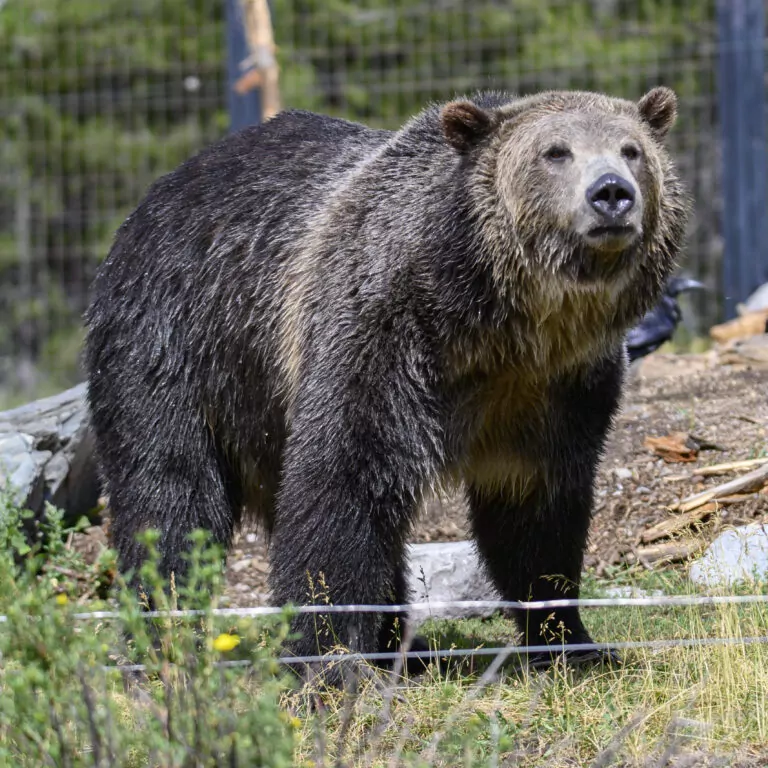
Brown bears take the carcass, wolves hold the den. What the documented interactions actually show, and why black bears fare worse than grizzlies.
-
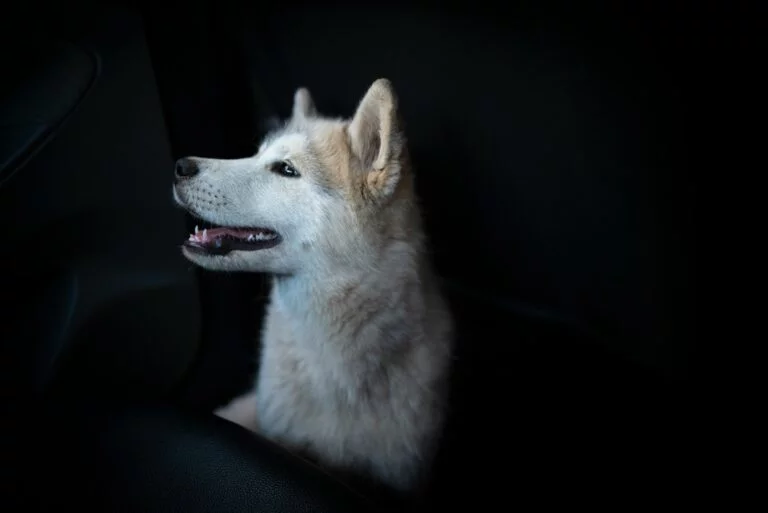
Wolves can be conditioned and cannot be trained like dogs. What the comparative cognition work shows, what sanctuaries actually teach them, and why a hand-raised wolf’s bond does not transfer.
-
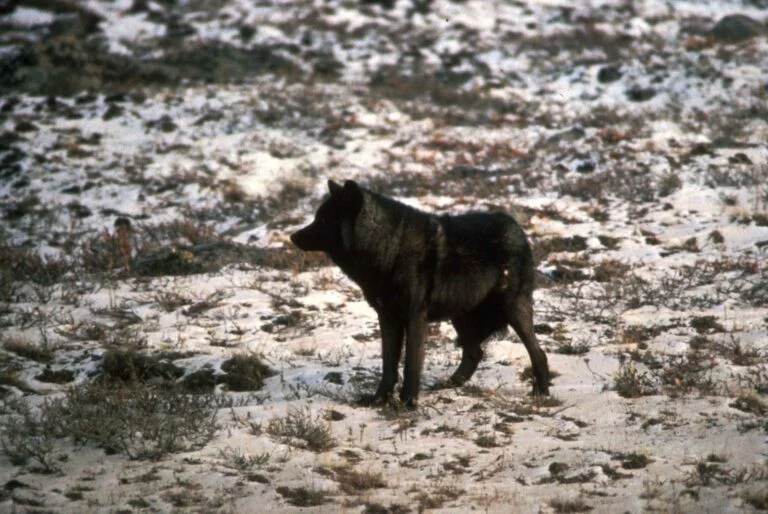
Why black wolves are common in North America and rare everywhere else: a gene borrowed from dogs, a distemper virus, and a mate choice that keeps both colours in the population.