The Mythology of Werewolves Across Cultures
2 min read
Werewolf stories are older than the countries that tell them, and the version most people carry around, full moon, silver bullet, cursed bite, is younger than cinema. Almost none of the familiar rules come from folklore.
Part of our guide: Wolves in Culture.
Greek and Roman roots
The Greek myth of Lycaon, the Arcadian king turned into a wolf by Zeus as punishment for serving him human flesh, is where the word lycanthrope comes from. Petronius, writing in the first century CE, gives us the oldest surviving werewolf story told as a story rather than a myth: in the Satyricon, a soldier strips by a roadside tomb, turns into a wolf and runs off, and is later identified by a wound. In both cases the transformation is punishment or sorcery. Nobody is bitten and infected.
Northern Europe
The Norse tradition runs through the ulfhednar, wolf-coated warriors alongside the berserkers, said to fight in a wolf-like fury. The Volsunga saga has Sigmund and Sinfjotli taking wolf form by putting on enchanted skins, which is closer to the folkloric mechanism than any curse: the change comes from wearing something, and you have to take it off again.
Further east, the Slavic vukodlak blurs into vampire territory. In several traditions a werewolf becomes a vampire after death, which is why the two figures share so much vocabulary in the Balkans.
Western Europe and the trials
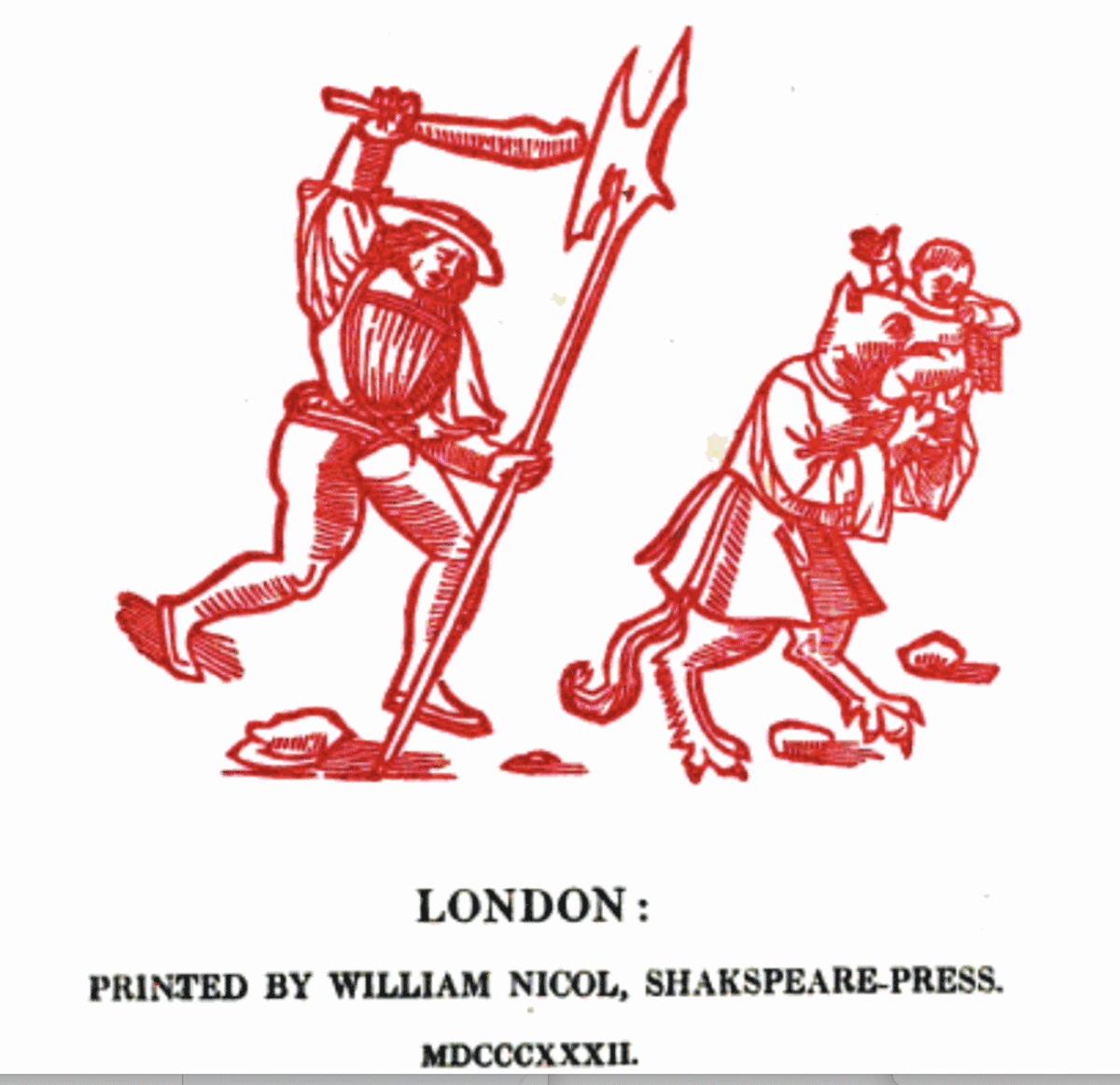
French loup-garou, German Werwolf and English werewolf converge in the medieval period, and in the sixteenth and seventeenth centuries the figure stopped being a story and started being a charge. Werewolf trials ran alongside witch trials across France, Germany and Switzerland, with real people executed on the accusation. Whatever else the werewolf is, it has a body count.
Where the modern rules came from
The full moon trigger, the transmission by bite, and the silver weapon are largely twentieth century screen inventions, consolidated by Hollywood. Most traditional werewolf folklore did not tie the change to a moon phase, though the medieval writer Gervase of Tilbury, around 1210, says men in England changed into wolves according to the phases of the moon. The means of transformation was usually a pact, a curse, an ointment or a skin.
The recurring element across all of it, from Arcadia to the Baltic, is not the wolf. It is the fear that a person can stop being a person. Wolves were the nearest available shape for that idea in the places the stories grew, which is why the same myth turns up in regions that have no wolves at all.
Related reading
For wolf-themed apparel and gifts, see the We Love Wolves store.
Frequently asked questions
Is the full-moon werewolf rule old?
Mostly no. Twentieth century cinema made the full moon the standard trigger. Most traditional folklore did not tie the change to the moon, though Gervase of Tilbury linked it to the phases of the moon around 1210.
What is the oldest werewolf story?
The Greek myth of Lycaon is the oldest well-known account of a man turned into a wolf. Petronius’s Satyricon, from the first century CE, gives the oldest surviving narrative werewolf tale.
Were people actually tried as werewolves?
Yes. Werewolf trials ran alongside witch trials in sixteenth and seventeenth century Europe, and people were executed on the charge.
Updated 8 October 2026: corrected the claim that no traditional werewolf story tied the change to the moon.