OR-7: The Wolf That Walked From Oregon to California
3 min read
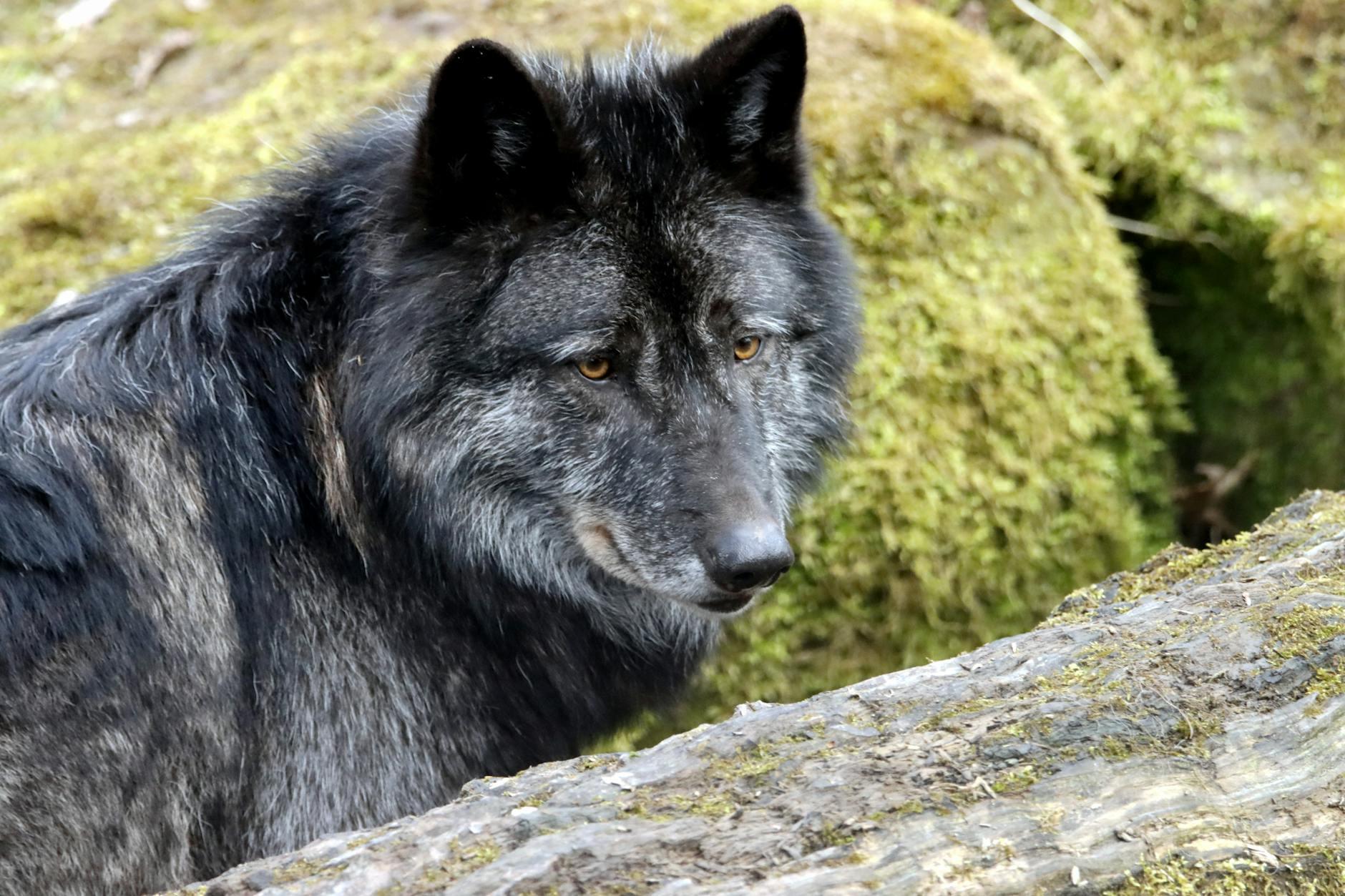
OR-7, also called Journey, was a male gray wolf born in April 2009 in Oregon’s Imnaha Pack. He dispersed in September 2011, crossed into California in late December 2011 (the first confirmed wild wolf there since 1924), traveled more than 1,000 miles in total, founded Oregon’s Rogue Pack in 2014, and is presumed to have died around 2020.
OR-7 became famous through a GPS collar, a walk of more than 1,000 miles and a public that followed his route. His track showed that a single wolf could cross Oregon and reach California on its own, decades after both states had lost their wolves.
Part of our guide: Wolves of the Pacific Northwest.
The Imnaha Pack origin
OR-7 was born in April 2009 in the Wallowa Mountains of northeast Oregon, into the Imnaha Pack. The Imnaha was Oregon’s first wolf pack after wolves returned to the state from the recovering Idaho population. Both of OR-7’s parents were collared Imnaha wolves, known as OR-2 and OR-4.
The Oregon Department of Fish and Wildlife captured and collared OR-7 in February 2011. He was the seventh wolf the agency had collared in Oregon, hence the designation. The GPS collar reported his position by satellite, which let biologists follow his route almost day by day.
The dispersal
In September 2011, at roughly two and a half years old, OR-7 left the Imnaha Pack. Young male wolves at this age commonly disperse to find unrelated mates and unclaimed territory. What was unusual was the direction and distance of his walk.
OR-7 traveled west across Oregon. By November 2011 he had crossed the Cascades and was photographed by a trail camera east of Butte Falls, the first confirmed wild wolf in western Oregon in decades. In late December 2011 his GPS pinged on the California side of the border, making him the first confirmed wild wolf in California since 1924, an absence of 87 years.
Over the following months he moved back and forth between southern Oregon and northern California, through Siskiyou, Shasta and Lassen counties, before settling back in Oregon. In all, his collar logged more than 1,000 miles (1,600 km).
The conservation group Oregon Wild ran a naming contest in late 2011, with most of the entries from schoolchildren, and announced the winning name, Journey, in January 2012. The group said the aim was to make the wolf too famous to kill.
Finding a mate and the Rogue Pack
In May 2014 remote cameras photographed OR-7 with a female in the Rogue River watershed of the southern Cascades, east of Medford. In June biologists photographed two of their pups, and genetic tests later showed the female was related to wolves of the Minam and Snake River packs in northeast Oregon. In early 2015 ODFW designated the family as the Rogue Pack, the first wolf pack in western Oregon and the state’s ninth overall. By 2016 the pack had grown to nine wolves.
The batteries in OR-7’s collar ran out in October 2015, and from then on the pack was followed with trail cameras and sightings. He was last seen in autumn 2019, did not appear in Oregon’s winter count, and by April 2020 was presumed dead at about 11 years old, an advanced age for a wild wolf.
The descendants
One of OR-7’s sons, CA-08M, walked into California and became the first breeding male of the Lassen Pack. The Lassen Pack was California’s second resident pack of the modern era, after the Shasta Pack confirmed in 2015, and its pups made OR-7 a grandfather to California wolves.
California began preparing for wolves after OR-7 arrived. In June 2014 the state Fish and Game Commission voted to protect gray wolves under the California Endangered Species Act, and the Department of Fish and Wildlife later adopted a state wolf conservation plan.
Why one wolf mattered
His walk showed that wolves could reach California from the recovering Oregon population without any reintroduction. California has never released wolves, so its packs trace to dispersers that walked in, as OR-7 did.
The wider context
OR-7’s story is one part of the return of wolves to the western United States. Wolves released into Yellowstone and central Idaho in 1995 and 1996 (see our Yellowstone reintroduction guide) founded the population that later spread into Oregon. Colorado’s wolves came back through a 2020 ballot measure and releases that began in 2023 (see our Colorado reintroduction update). California’s came back on foot. For other wolves with their own stories, see our list of the most famous wolves in history.
Sources
- Oregon Department of Fish and Wildlife, OR-7 monitoring records and Oregon wolf annual reports.
- California Department of Fish and Wildlife, gray wolf conservation plan and wolf monitoring updates.
- Oregon Wild, The Journey of OR-7 (naming contest, 2011 to 2012).
- Wikipedia, OR-7 and Lassen Pack entries, for the timeline and pack history.