

Six Gray Wolves Were Poisoned in Washington
3 min read
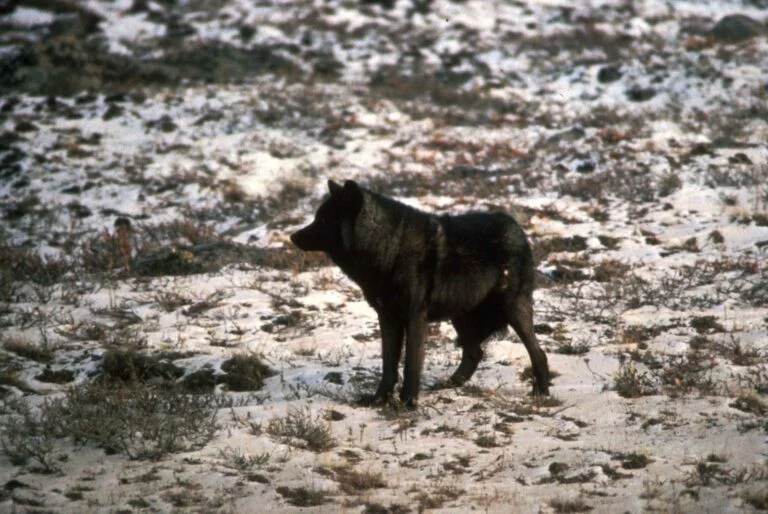
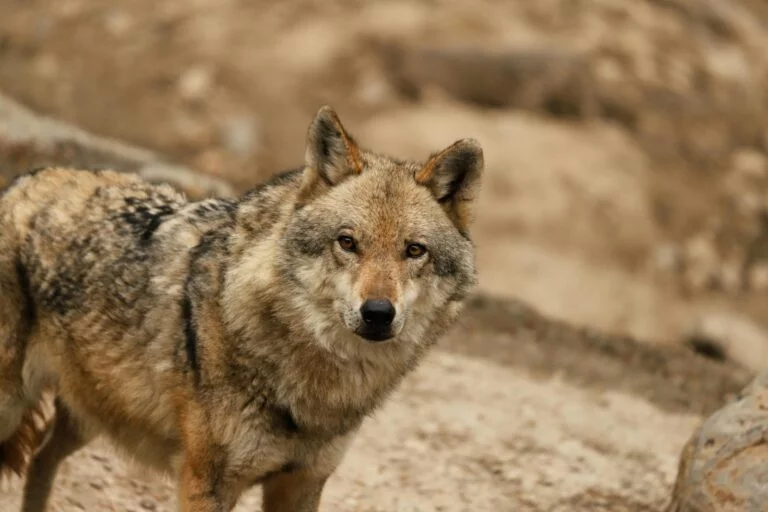
In October 2022 the Washington Department of Fish and Wildlife confirmed that six gray wolves found dead in the territory of the Wedge pack had been poisoned. It was one of the worst single wolf-killing incidents in the state’s modern recovery, and no one has been publicly identified as responsible.
Four dead wolves were found in the Wedge pack’s range in Stevens County, in the far northeast corner of Washington, in February 2022. Two more carcasses turned up in the same area the following month. Toxicology returned the same answer for all six: they had died after ingesting poison. The specific substance was not released publicly and the deaths were treated as a deliberate criminal act.
The reaction
Conservation organisations working on Washington wolf recovery, Defenders of Wildlife and Conservation Northwest among them, condemned the killings, and a reward was offered for information leading to a conviction. WDFW asked anyone with knowledge of the case to report it through the state poaching hotline.
Nothing came of it. Illegal wolf killings are notoriously difficult to solve because they happen in remote country with no witnesses, often on private land, and the evidence degrades before anyone finds the animal.
Why the Wedge keeps making news
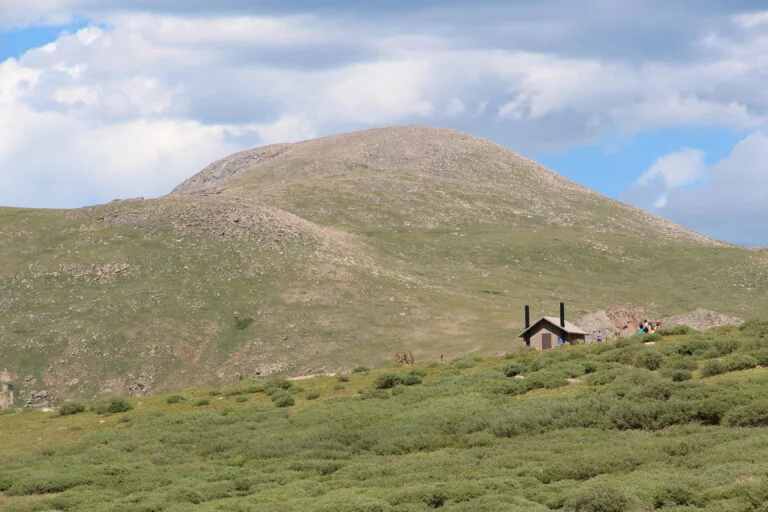
The Wedge is a wedge-shaped slice of Stevens County penned in by the Columbia river, the Kettle river and the Canadian border. It is good wolf habitat and it is also cattle country, which is exactly why it has been a flashpoint for more than a decade.
The original Wedge pack was lethally removed by the state in 2012 after repeated cattle depredations. The country then did what good habitat always does: it refilled. Wolves moved down from Canada and across from neighbouring territories, a new group formed, and the cycle started again. The 2022 poisonings happened against that long backdrop.
What the law says
At the time of the poisonings, gray wolves in the western two thirds of Washington were federally protected, and wolves across the entire state were listed as endangered under Washington law. Killing a wolf deliberately is a gross misdemeanour under state statute, carrying up to a year in jail and a fine of up to 5,000 dollars per animal.
That is the gap conservation groups kept pointing at. Six wolves is a meaningful fraction of a recovering regional population, and the maximum penalty for taking them out is a misdemeanour.
Where wolf recovery stands now
The broader trend has been recovery, and a strong one. Washington’s wolves were functionally absent for most of the twentieth century after bounty-driven extermination, and the first modern pack was confirmed in 2008. In 2025, WDFW and tribal biologists counted 270 wolves in 49 packs across the state.
Recovery is measured against a three-region plan covering Eastern Washington, the Northern Cascades, and the Southern Cascades and Northwest Coast. Delisting requires successful breeding pairs distributed across all three regions for three consecutive years, and the sticking point has always been geographic rather than numerical: the eastern part of the state has carried the recovery while the southwest has lagged. Stevens County, where the Wedge pack lives, sits in the region that has done most of the work.
The alternative to poison
Wolves do take livestock, and that is a genuine cost falling on particular ranching families rather than on the public generally. The state does sometimes remove individual wolves after repeated confirmed depredations. Nobody serious pretends the conflict is imaginary.
But there is a wide, well-tested space between doing nothing and killing a pack: range riders keeping human presence among the herd, guard animals, fladry, removing carcasses so they do not draw predators in, and compensation for verified losses. Poison is not in that space. It is illegal, it is indiscriminate, and a poisoned carcass goes on killing after the wolf does, taking eagles, coyotes, ravens and loose dogs with it.
Read more on our complete guide: Wolf Conservation: Where We Are and What is Working.



The Wedge pack area has been tense for years. The state removed the earlier pack there in 2012.
The penalties seem low for poisoning six wolves.
the bigger problem is proving who did it.
Has anyone ever been charged? I couldn’t find anything.